

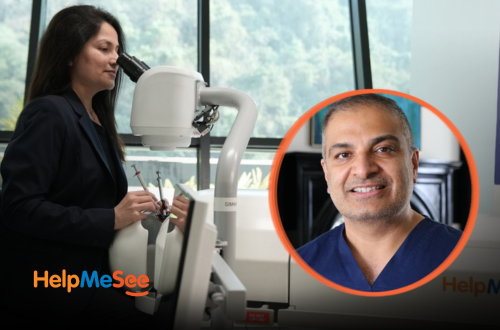
When Dr. Uday Devgan, founder of CataractCoach and one of the most trusted voices in ophthalmology surgical education, highlights a new training model, the global cataract community pays attention.
In his recent sponsored video featuring HelpMeSee, Dr. Devgan takes a close look at how simulation-based surgical training can help address one of the biggest challenges in eye care today: training enough skilled cataract surgeons to meet global demand.
For cataract surgeons, residents, and non-ophthalmologist cataract specialists around the world, where they are legally authorized to practice, the message is both urgent and encouraging.
The technology to cure cataract blindness already exists, and the procedure is low-cost and highly effective. Le real challenge is training enough people to deliver that care safely and effectively.
The Global Cataract Challenge: A Training Gap
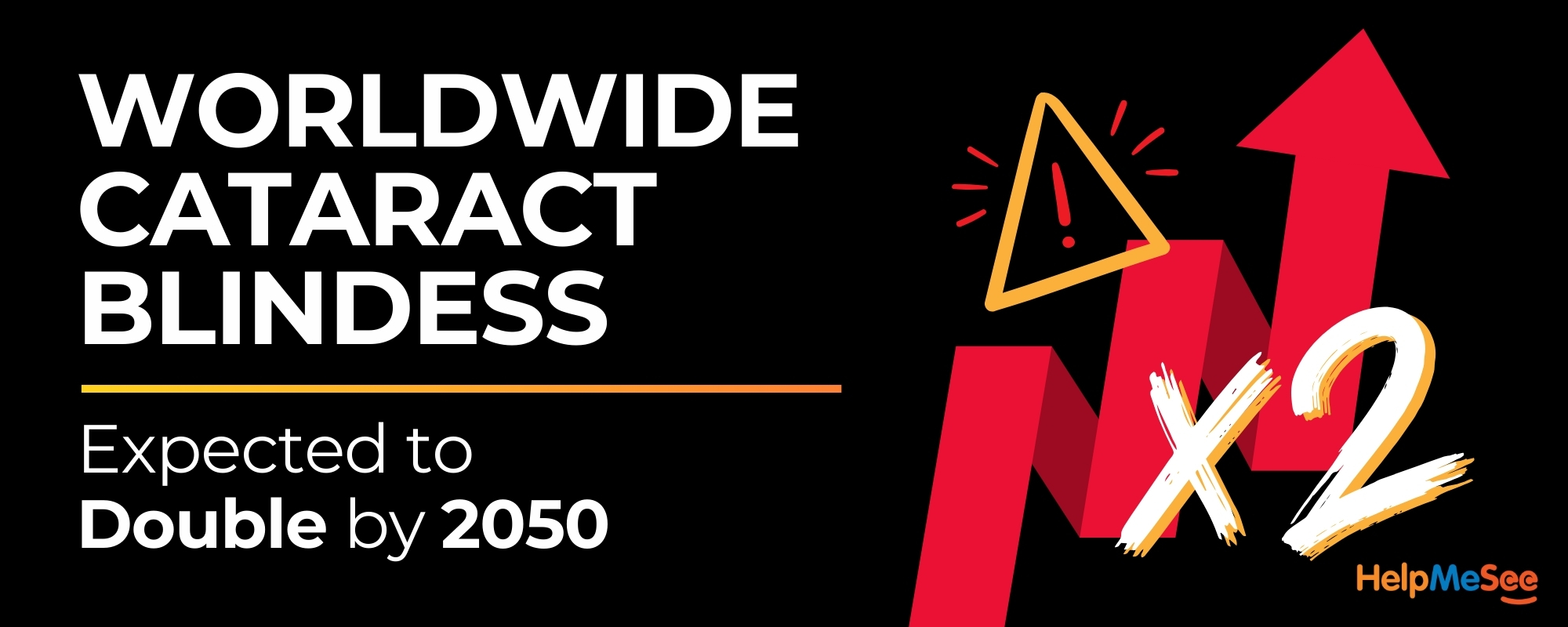
Cataract remains the leading cause of blindness worldwide, yet millions of people still lack access to surgery.
According to the World Health Organization, global cataract surgical coverage is not on track to meet the World Health Assembly goal of increasing effective coverage by 30% by 2030. (1)
The issue is not necessarily just related to surgical technology, it also involves increasing training capacity.
Many regions, particularly in low-middle income countries in Africa, Asia, and Latin America, simply do not have enough trained cataract surgeons to meet the growing demand for surgery.
Dr. Devgan emphasizes that solving this challenge requires expanding surgical education while maintaining the highest standards of patient safety.
From Observation to Mastery: The Power of Simulation
In the CataractCoach video, Dr. Devgan also shares his observations of the HelpMeSee Eye Surgery Simulator, part of a high-fidelity virtual reality system designed specifically for cataract surgery training.
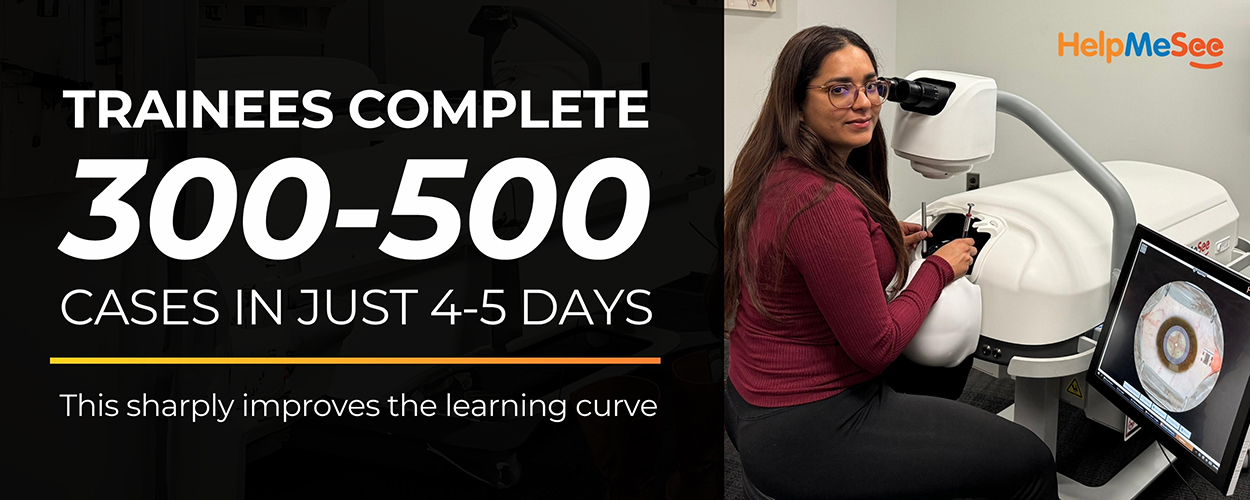
Unlike traditional training models that rely heavily on observing surgeries or gradually gaining experience in the operating room, simulation allows trainees to practice surgical techniques extensively before operating on a patient.
In the HelpMeSee Simulation-based Training Program, trainees can:
- Practice complex surgical steps repeatedly in a no-risk environment
- Develop hand–eye coordination and instrument control
- Receive objective and subjective feedback on performance
- Achieve measurable skill benchmarks before performing live surgery
This approach supports a powerful shift toward competency-based medical education, where surgeons progress based on demonstrated proficiency rather than simply time spent in training or on the number of procedures performed. (2)
For both trainees and patients, the result is a safer and more effective pathway to surgical mastery.
Training the Next Generation of Cataract Specialists
The HelpMeSee Simulation-based Training Program courses are designed to build surgical capacity globally by supporting multiple pathways into cataract care.
Training opportunities are available for:
- Practicing Ophthalmologists
- Ophthalmology residents
- Allied health professionals where they are legally authorized to practice
This model is particularly important in regions facing severe ophthalmologist shortages. In places like Madagascar and other parts of Africa, trained cataract specialists play a vital role in restoring sight to patients who might otherwise go untreated.
Through rigorous simulation-based training and objective competency benchmarks, HelpMeSee ensures that every trainee, regardless of professional background, achieves the surgical proficiency needed to perform cataract surgery safely.
Introducing the Comprehensive MSICS Training Program
To further expand global training capacity, HelpMeSee is expanding its course catelog by launching a new Comprehensive Manual Small Incision Cataract Surgery (MSICS) Program. Manual Small Incision Cataract Surgery remains one of the most effective and scalable surgical techniques for treating cataract in many parts of the world. In some countries where national health systems allow, the HelpMeSee program can also train non-ophthalmologist cataract specialists.
The new program introduces a three-phase training model that prepares cataract specialists across the entire continuum of care:
- Patient screening and diagnosis
- Chirurgie de la cataracte par petite incision manuelle (MSICS)
- Post-operative care and follow-up
This program expands the current HelpMeSee training portfolio, which already includes MSICS, phacoemulsification, and cataract complication management courses.
Expanding Training Across Africa
Beginning in 2026, HelpMeSee will be establishing next-generation simulation training centers in association across Africa.
Initial deployments will include:
- Ghana
- Gambia
- Tanzania
- Nigéria
These training centers will help develop local surgical talent and create sustainable cataract care capacity in regions where the need is greatest.
Why CataractCoach Matters
Dr. Devgan’s coverage of the HelpMeSee training model brings this important conversation directly to the global cataract community.
For surgeons and trainees who follow CataractCoach, the takeaway is clear:
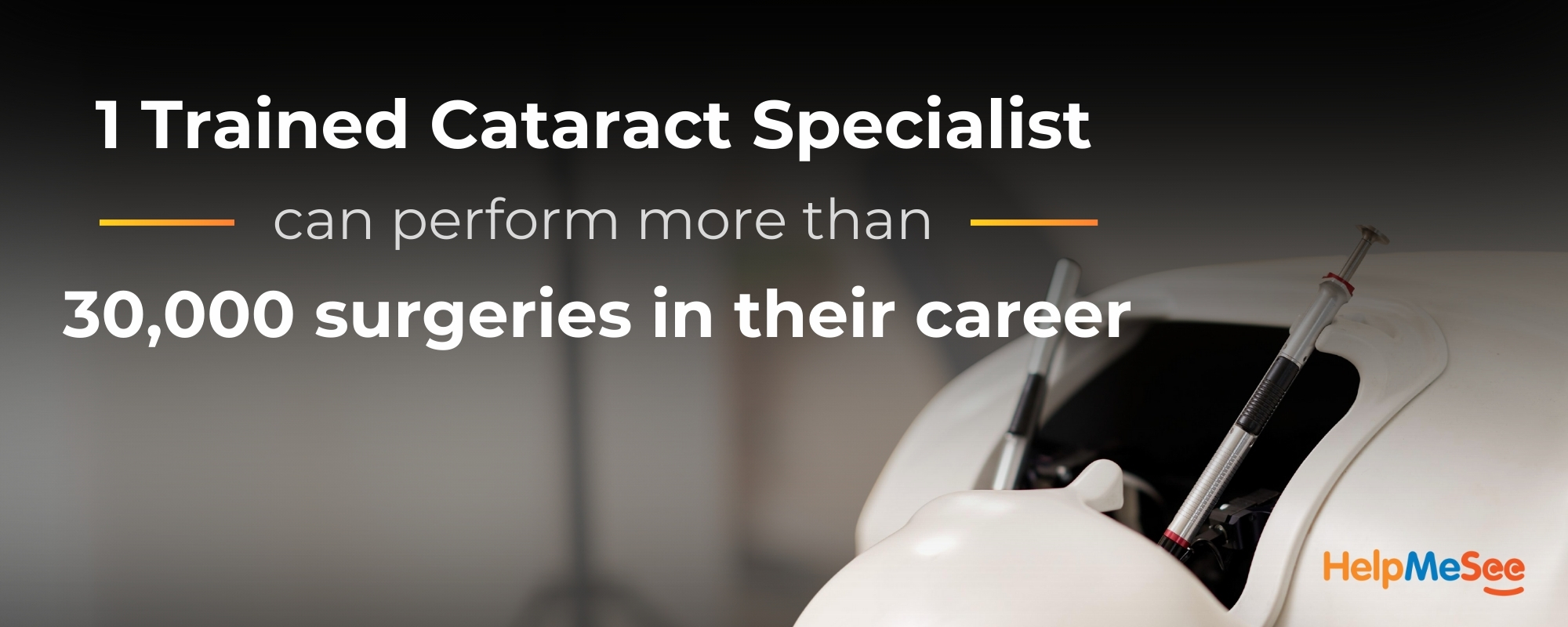
- Simulation can accelerate surgical skill development
- Competency-based training improves patient safety
- Scalable training models are essential to eliminate avoidable blindness
With HelpMeSee expanding its training programs globally, the opportunity to become part of the next generation of cataract specialists has never been greater.
Ready to Take the Next Step in Cataract Surgery Training?
Whether you are an ophthalmologist, resident, or an allied health professional looking to expand your surgical skills, HelpMeSee offers a pathway to mastery.
Through advanced simulation technology, structured training programs, and global partnerships, HelpMeSee is helping build the workforce needed to eliminate cataract blindness worldwide.
For more information, train with us.
- World Health Organization. Blindness and vision impairment. February 10, 2026. Accessed February 23, 2026. https://www.who.int/news-room/fact-sheets/detail/blindness-and-visual-impairment
- Thomsen, A., Konge, L. “Competence Over Time.” The Ophthalmologist, February 2026, https://theophthalmologist.com/issues/2026/articles/february/competence-over-time/.


 French
  English
  Spanish